Thinning Hair in Women: Every Major Cause, From GLP-1s to Menopause
One day your ponytail feels smaller. Your part looks wider. You notice more hair in the shower, more scalp around your temples, or ends that no longer feel as full as they used to.
Then comes the frustrating part: figuring out why.
Thinning hair in women does not have one single cause. It can be connected to genetics, menopause, postpartum hormone shifts, rapid weight loss, GLP-1 medications, thyroid disease, iron deficiency, stress, illness, autoimmune conditions, medications, scalp disease, styling damage, or several factors happening at the same time.
Understanding the pattern matters because the right solution depends on what is actually happening to your hair.
Thinning, Shedding, and Breakage Are Not the Same Thing
Before talking about causes, it helps to separate three problems that can all make your hair look thinner.
Shedding means more full hairs are leaving the scalp. This is common with telogen effluvium, a temporary shift in the hair-growth cycle that can happen after stress, illness, childbirth, surgery, or rapid weight loss.
Progressive thinning means individual hairs gradually become finer and density decreases over time. Female pattern hair loss is the most common example.
Breakage happens when the hair shaft snaps rather than falling from the follicle. Bleach, chemical processing, excessive heat, friction, and mechanical stress can all contribute.
The Major Causes of Thinning Hair in Women
Hair loss can be triggered by one event or by several overlapping factors. These are the major categories we see discussed most often with women who are trying to understand why their hair has changed.
Genetics + Female Pattern Hair Loss
Often shows up as a widening part, less density over the top of the scalp, or a smaller ponytail.
Menopause + Aging
Hormonal changes and age-related follicle changes can make hair grow finer and make existing genetic thinning more noticeable.
GLP-1s + Rapid Weight Loss
Weight-loss medications and rapid changes in weight or nutrition can coincide with increased shedding.
Pregnancy + Postpartum
Falling estrogen levels after childbirth can trigger temporary excessive shedding several months later.
Stress, Illness + Surgery
A major physical or emotional stressor can push more follicles into a resting phase and cause delayed shedding.
Thyroid + Hormonal Conditions
Thyroid disease, PCOS, and other hormonal imbalances can contribute to thinning or shedding.
Nutrition + Deficiencies
Low iron, inadequate protein, restrictive dieting, and certain vitamin or mineral deficiencies can affect hair growth.
Autoimmune + Scalp Disorders
Alopecia areata, inflammatory scalp disease, infections, and scarring alopecias require medical diagnosis.
Traction, Chemicals + Breakage
Tight styles, poorly fitted extensions, aggressive lightening, and repeated heat can reduce visible density or damage follicles.
Hair loss is a symptom. The goal is not simply to hide it. The first step is understanding what may be causing it.
Can Ozempic, Wegovy, Mounjaro, or Zepbound Cause Hair Loss?
This question has become incredibly common as more women use GLP-1 and related weight-loss medications.
Hair loss has been reported in clinical trials of both semaglutide (Wegovy) and tirzepatide (Zepbound). Importantly, current prescribing information describes those hair-loss reactions as being associated with weight reduction.
In other words, the evidence does not establish that these medications directly poison or damage the hair follicle.
A more likely explanation for many women is telogen effluvium: a temporary increase in shedding that can follow rapid weight loss, a major calorie change, lower protein intake, nutritional deficiency, or another significant stress on the body.
Shedding from telogen effluvium often does not begin immediately. It may appear a few months after the triggering event, which can make the connection difficult to recognize.
Menopause, Perimenopause, and Thinning Hair
Many women notice a very real change in their hair during their 40s, 50s, and 60s.
Hair may become finer. The part may look wider. The temples may feel less dense. Your ponytail may become smaller even though you are caring for your hair the same way you always have.
Menopause brings changing hormone levels, while aging itself affects the growth cycle and size of hair follicles. Female pattern hair loss also becomes more common in midlife and after menopause.
That means what looks like “menopause hair loss” may actually be a combination of hormonal change, age-related changes, genetics, and other medical or nutritional factors.
Changes in Density
A widening part, finer hairs through the top, less fullness around the temples, or a smaller ponytail can all be signs worth paying attention to.
Earlier Evaluation Is Better
Female pattern hair loss is progressive. A dermatologist can help separate it from temporary shedding or another treatable cause.
Female Pattern Hair Loss Can Begin Long Before Menopause
Female pattern hair loss is the most common type of hair loss in women. It is influenced by genetics and can begin earlier than many people expect.
Instead of creating the same pattern typically associated with male baldness, women often notice a widening center part or gradual thinning across the top of the scalp.
Genetics can come from either side of the family. Menopause may make the problem more noticeable, but you do not have to be menopausal to have female pattern hair loss.
Postpartum Hair Loss Can Feel Dramatic — But It Is Often Temporary
During pregnancy, hormonal changes can keep more hairs in the growing phase. After delivery, estrogen levels fall and many of those hairs enter the shedding phase.
That is why postpartum shedding often becomes noticeable a few months after the baby is born rather than immediately.
The American Academy of Dermatology describes postpartum shedding as temporary, and many women regain their normal fullness by their child’s first birthday.
Starting or stopping hormonal birth control can also trigger a temporary hormonal shift in some women.
Stress, Illness, Surgery, Fever, and Major Life Events Can Trigger Shedding
Hair follicles respond to what is happening in the rest of the body.
A serious illness, high fever, major surgery, substantial emotional stress, rapid weight loss, or another significant physical stressor can push more hairs into the resting phase.
The frustrating part is the delay.
You may recover from the illness or stressful event and then begin shedding two to four months later.
When the underlying trigger resolves, telogen effluvium often improves over time. However, persistent or repeated triggers can prolong the shedding.
Thyroid Disease, PCOS, and Hormonal Imbalances
Your scalp does not exist separately from the rest of your body. Conditions that affect metabolism and hormones can affect your hair too.
Thyroid disease can cause diffuse thinning or increased shedding. Both an underactive and overactive thyroid can affect the normal hair-growth cycle.
PCOS can also affect scalp hair because of hormonal and androgen changes. Hair thinning may occur alongside irregular periods, acne, increased facial or body hair, or other signs of androgen excess.
If your hair loss is happening alongside other physical changes, mention those symptoms to your healthcare provider rather than treating the hair as an isolated problem.
Iron, Protein, Restrictive Dieting, and Nutrient Deficiencies
Hair is not an essential organ. When the body is under nutritional stress, resources are prioritized elsewhere.
Iron deficiency and iron-deficiency anemia can contribute to hair shedding. Inadequate protein intake can also affect hair growth. Deficiencies involving nutrients such as zinc or vitamin D may be relevant in some patients.
Restrictive diets, eating disorders, rapid weight loss, or difficulty eating enough after a medication or surgery can all create the conditions for increased shedding.
Some Medications Can Trigger Hair Loss
Hair loss is a possible side effect of a wide range of medications. Chemotherapy is the most obvious example, but other prescriptions can contribute to shedding in some people.
Depending on the medication, the effect may involve the growth phase of the follicle or may trigger telogen effluvium.
If you think a medication is connected to your hair loss, do not stop it on your own. Talk with the healthcare professional who prescribed it.
Patchy Hair Loss or an Inflamed Scalp Needs Medical Attention
Not all hair loss is diffuse thinning.
Alopecia areata is an autoimmune disease in which the immune system attacks hair follicles. It can create distinct patches of hair loss and may also affect eyebrows, eyelashes, or other body hair.
Scalp infections, psoriasis, inflammatory conditions, and scarring alopecias can also cause hair loss.
Scarring forms of hair loss are especially important to diagnose early because inflammation can permanently destroy follicles.
See a Dermatologist Promptly If You Notice:
- Sudden bald patches
- Rapid or severe shedding
- Scalp pain, burning, significant itching, or tenderness
- Redness, scaling, sores, or drainage
- A shiny area of scalp where follicle openings seem to be disappearing
- Loss of eyebrows or eyelashes
- Hair loss that continues without an obvious explanation
Traction, Extensions, Tight Styles, Bleach, and Heat Can Affect Density
Sometimes the cause is not internal.
Hairstyles that repeatedly pull on the same follicles can cause traction alopecia. This can happen with tight ponytails, tight braids, or extensions that place too much repeated tension on the natural hair.
Early traction hair loss can improve when the tension is removed. Long-term traction can become permanent if follicles scar.
Chemical damage and heat can create another problem: breakage. Hair may look thinner even when it is not shedding from the root because damaged strands are snapping through the mid-lengths and ends.
This is one reason extension placement, weight, maintenance, home care, and the health of the natural hair matter so much.
Can Hair Extensions Help With Thinning Hair?
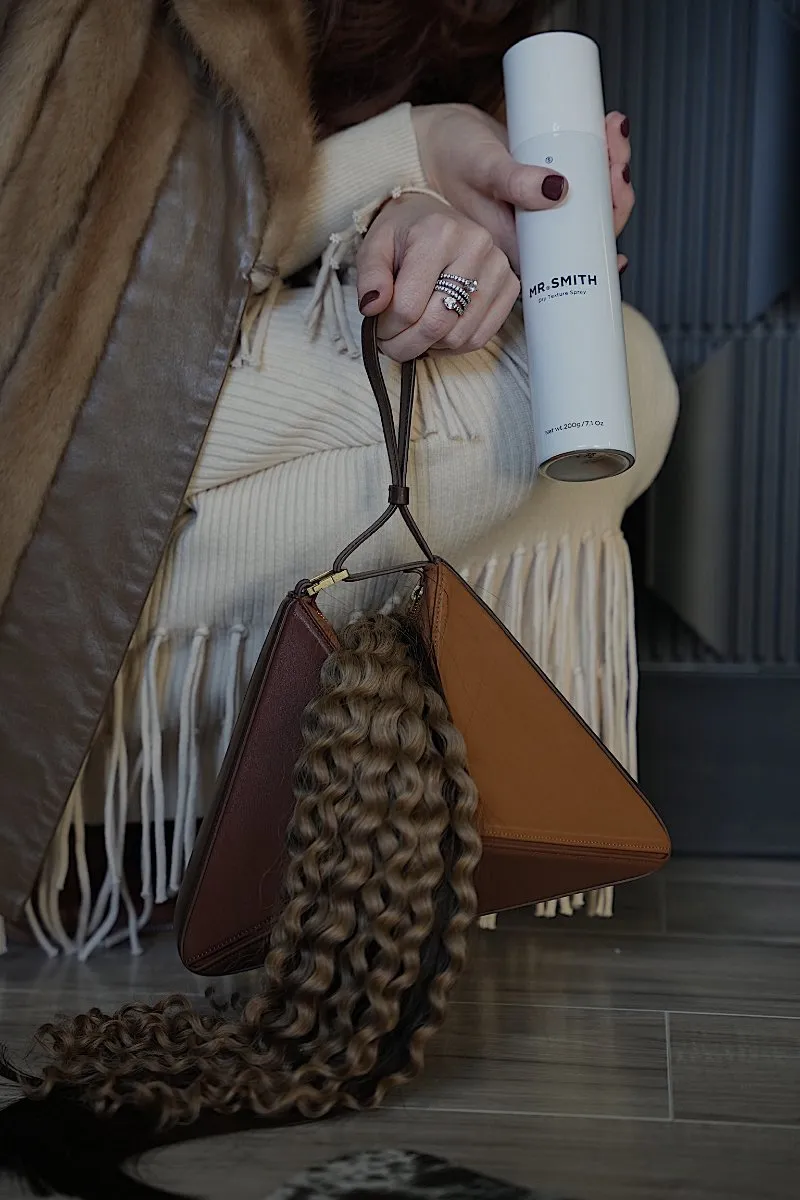
Hair extensions can create a beautiful cosmetic solution for some types of stable thinning, but they do not treat the medical cause of hair loss.
If you are actively shedding heavily, have bald patches, have an inflamed scalp, or have very fragile hair, the first step may need to be a medical evaluation rather than an extension installation.
However, once the cause has been evaluated and the hair and scalp are appropriate for extensions, carefully customized hair extensions can add density, strengthen the perimeter, fill in thin ends, and help recreate the fullness you feel like you have lost.
The key is using the right amount of hair and the right solution for the hair you currently have.
Extensions
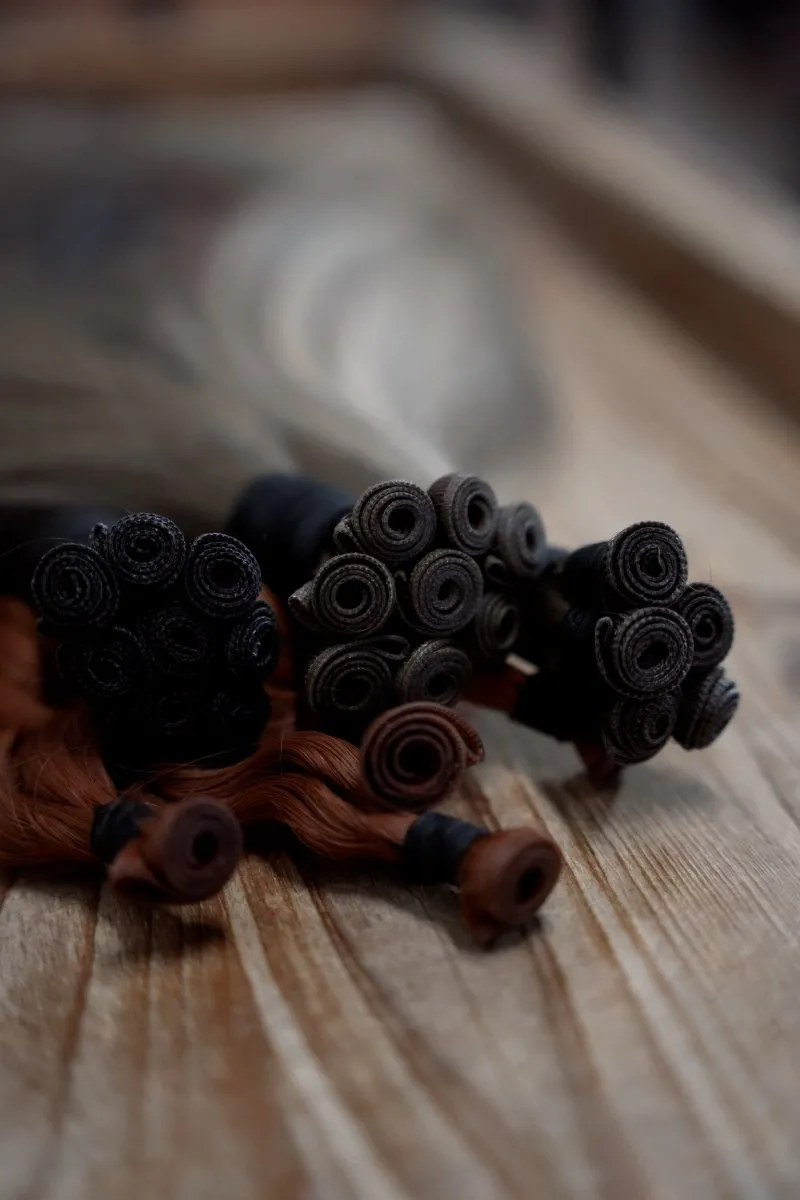
For suitable candidates who need additional density, fullness, or length, custom extensions can create a natural-looking transformation.
Transformations
See real examples of how customized hair can change fullness, shape, and confidence in our before-and-after gallery .
Medical Hair Loss
For significant medical hair loss, alopecia, or cancer-related loss, custom wigs may be a more appropriate option than extensions.
Thinning Hair in Women: FAQ
Does thinning hair always mean permanent hair loss?
No. Telogen effluvium after childbirth, illness, surgery, rapid weight loss, or major stress can be temporary. Other causes, such as female pattern hair loss or scarring alopecia, can be progressive. Diagnosis matters.
Can GLP-1 medications make my hair fall out?
Hair loss has been reported in weight-loss trials of semaglutide and tirzepatide. Current FDA-approved labeling associates the hair loss with weight reduction. Rapid weight loss, reduced intake, and nutritional changes can also trigger telogen effluvium.
Does menopause cause thinning hair?
Hair often becomes finer around menopause, but menopause may not be the only factor. Genetics, age, female pattern hair loss, thyroid disease, nutrition, and medications can overlap.
Can I get extensions if my hair is thinning?
Sometimes. It depends on the cause, amount of shedding, scalp health, and strength of the natural hair. Active or unexplained hair loss should be evaluated before adding additional weight or tension.
You Deserve a Solution Built Around the Hair You Have Today
Hair changes can be emotional, especially when you do not recognize the density, texture, or fullness you used to have.
At Glam.Is.On , we look at the hair in front of us rather than trying to force every client into the same extension plan.
If your hair is healthy enough for extensions, we can talk about the amount of hair, placement, color, length, and maintenance that make sense for you.
If extensions are not the right choice right now, that matters too. Beautiful hair starts with choosing the solution that respects your natural hair and scalp.
Thinning Hair Does Not Mean You Have to Stop Feeling Like Yourself
If you have already addressed the medical side of your hair loss and want to know whether extensions could safely give you back the fullness you are missing, we can help you explore your options.
Every consultation starts with your natural hair, your density, your goals, and what is actually appropriate for you.
Schedule Your Complimentary Consultation